Dental insurance can be an enigma. For many, it’s believed to include only the basics like cleanings or fillings, but some plans could contain unexpected benefits. From sleep aids to pain relief for your jaw, these are 10 treatments that your dental plan may cover — whether you’re 7 or 80.
Deep Cleanings for Gum Health
If you've been told — or suspect — that you've lost bone in your teeth because of gum disease, you probably need or have heard of this procedure: it's a treatment that removes bacteria lying just beneath your gums.
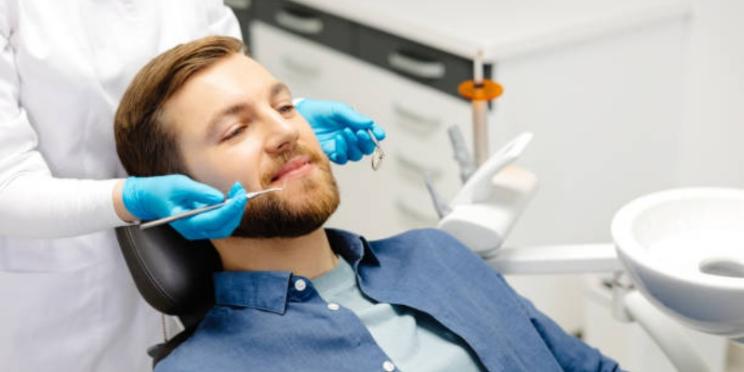
Most plans cover scheduled checkups and cleanings at 100 per cent, but some also cover deeper cleanings if your gums are unhealthy. These cleanings clear away plaque build-up that has gathered in the gumline to prevent periodontal disease. If a dentist informs you that you need scaling or scaling and root planing, your plan may cover some of the cost.
Adult Fluoride Treatments
Fluoride isn't just for kids. Adults with poor enamel or a dry mouth (which can result from medications) may have fluoride treatments covered. These quick applications solutionize teeth and prevent cavities.
X-Rays and Scans
Digital imaging is not just for tooth decay. Full mouth X-rays or 3D scans for implants/braces are often 100% covered if linked to diagnostic or preventive care.
Chipped or Cracked Teeth Treatment
Fillings can also be used to repair very minor cracks or chips. Most plans cover 70%- 80% of basic restorative work, like fillings. The same is true for cavities and accidental damage resulting from biting through hard foods.
Crowns After Root Canals
Because root canals can make teeth brittle, you'll typically need a crown to cover and protect the treated tooth. Root canals are considered basic care, while crowns are considered primary services. Depending on the material, plans may pay as much as half the price.
Tooth-Colored Crowns
Veneers are cosmetic, but crowns to fix broken teeth are “major” care. Most cover 50% of the cost, even for natural-looking ceramic options like Gregory’s.
Dentures and Partial Plates
You don't lose everything when you lose your teeth! Partial dentures and dentures fall under primary care, and most plans only cover them partially. Some even offer discounts on modifications or repairs.

Wisdom Teeth Removal
Many also cover oral surgery for impacted wisdom teeth. Even the simplest extraction could be included in basic services. If you need anaesthesia, determine if your plan shares the surgery cost.
Dental Night Guards for Teeth Grinding
They may be willing to cover a custom nightguard when teeth have been ground down from clenching or grinding. Some plans consider it preventative care, especially if it is to correct jaw pain or headaches.
Sleep Apnea Devices
Some dental plans also cover sleep apnea oral appliances. The jaw is pushed forward to keep the airway open. It depends on coverage, but many plans consider this medically necessary.
Oral Cancer Screenings
Fast, painless and often free. Annual screenings are covered under many plans as preventive care, particularly for high-risk patients (smokers, family history).
Sedation Dentistry
Fearful patients take note: Nitrous oxide (laughing gas) or oral sedation during procedures are occasionally on the menu. Coverage is based on medical necessity, such as in the case of severe anxiety or gag reflex issues.
Pediatric Orthodontics
Braces for children are not always considered cosmetic. Some plans will help cover the cost if a dentist deems them medically necessary for alignment or bite issues.
Gum Disease Treatment
More advanced gum disease (periodontitis) may be treated with deep cleanings or surgery. Insurers often cover these under "major procedures" for cases where infection imperils overall health. Some early-stage treatments could be considered preventive care.
Emergency Dental Care
Traumatic injuries, such as knocked-out teeth or sharp pain from infections, can also be considered for urgent care coverage. Many plans cover emergency exams, X-rays and some treatments, such as extractions to alleviate pain.

Understanding Your Dental Plan
All dental plans are unique. Review the specifics of your policy or call your provider to confirm what's covered. Preventative services are frequently included at 100%, while restorative and major tend to be percentage-based. The elimination of an annual out-of-pocket maximum all of a sudden could mean some patients get bills they weren't expecting. Education will enable you to maximize your benefits and maintain a healthy smile.